
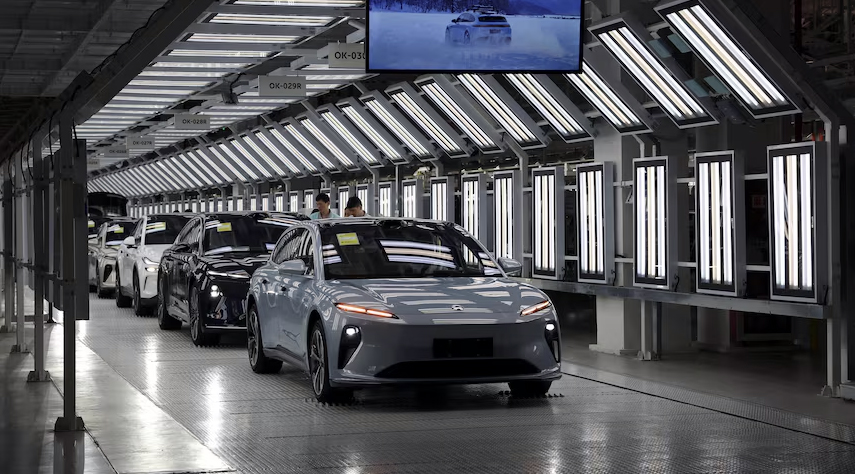
The future of electric vehicles (EVs) is no longer a distant ambition—it is the defining transformation of global mobility. In my view, the transition toward electrification has entered an irreversible phase, driven by rapid technological innovation, policy mandates, and shifting consumer expectations. Yet, beneath this transformation lies an intense geopolitical and economic competition, with countries racing to secure leadership in what will soon become the world’s dominant automotive segment.
Technology remains the strongest force propelling EV adoption. Battery performance continues to improve, charging times are shrinking, and solid-state batteries are edging closer to mass production. These advances are steadily eliminating consumer hesitation surrounding range and convenience. As costs decline further, EVs will increasingly become the mainstream option across major markets.
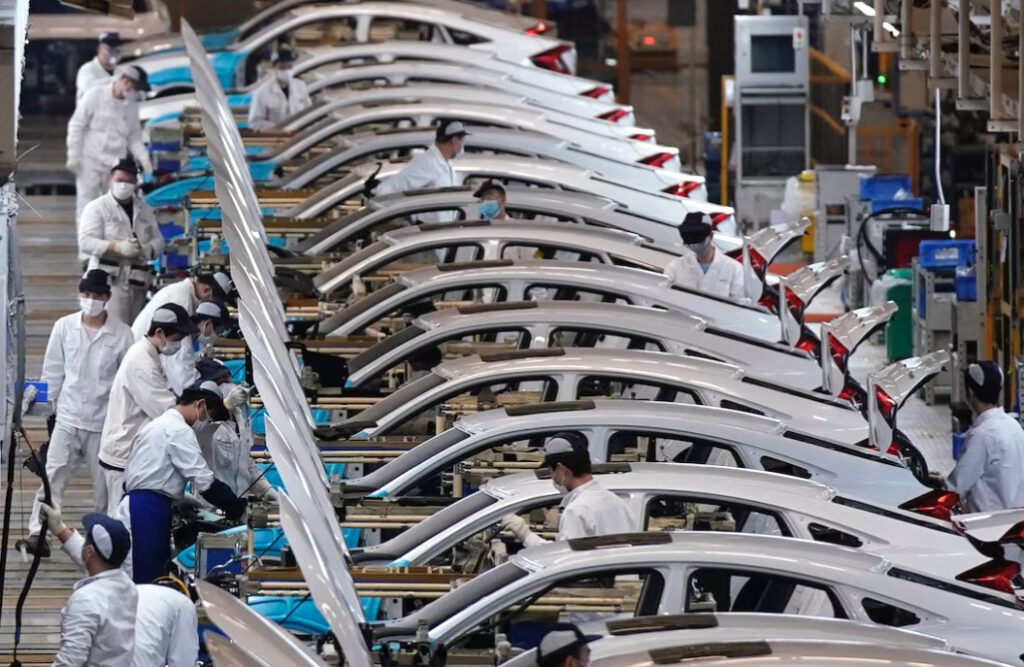
However, what truly defines the future of EVs is the strategic competition among nations. The United States, the European Union, Japan, South Korea, and China are all investing heavily to secure dominance—not only in manufacturing vehicles but also in controlling the full supply chain of batteries, minerals, and critical technologies. In this contest, China currently holds a clear lead.
China’s advantage stems from years of aggressive industrial policy, massive state-backed investment, and a comprehensive ecosystem that spans battery production, mineral refining, EV assembly, and advanced software integration. Brands like BYD, NIO, and Geely have rapidly expanded their global presence, while Chinese battery giants such as CATL supply the world’s leading automakers. This head start has positioned China at the center of the global EV value chain, forcing Western nations to accelerate their strategies to avoid long-term dependency.
Despite this, significant challenges remain. Charging infrastructure gaps persist across developing regions, power grids require modernization, and the supply of key minerals will face mounting political and environmental pressures. Yet, these obstacles are already fueling innovation—from renewable energy integration to recycling technologies and alternative battery chemistries.
In the end, the EV revolution is more than a technological shift; it is a global contest for economic influence. The countries and companies that lead this transition will shape the next era of mobility. Today, China stands at the forefront—but the race is far from over, and the coming decade will reveal whether others can close the gap.
Mohamad Salman